Friday, August 16, 2019

House on Mango Street 84-98

August 21, 2019

Standards:
CCSS.ELA-LITERACY.RL.9-10.4
Determine the meaning of words and phrases as they are used in the text, including figurative and connotative meanings; analyze the cumulative impact of specific word choices on meaning and tone (e.g., how the language evokes a sense of time and place; how it sets a formal or informal tone).
W.9-10.3 Write narratives to develop real or imagined experiences or events using effective technique, well-chosen details, and well-structured event sequences.
W.9-10.1 Write arguments to support claims in an analysis of substantive topics or texts, using valid reasoning and relevant and sufficient evidence.

Obj: I can create narratives using figurative language.
I can write arguments to support claims about the big idea. 

Starter: 


Connect the ideas of the song to the ideas in House on Mango Street.

Image result for who says you can't go home


Vocabulary: 


Word: Idiom
Part of Speech: Noun
Dictionary Definition: a group of words established by usage as having a meaning not deducible from those of the individual words (e.g., rain cats and dogssee the light ).
Your Definition: 
Activity: Create your own example of an idiom. 

idioms: have your head in the clouds

Activity: 

1.    TPEQEA Introduction 


Individually, take Cornell notes on the TPEQEA prezi.
Next week, you will be writing your own.

As a class we will write a TPEQEA together in response to the prompt below: 

The Bill and Melinda Gates Foundation hires you as a consultant to determine how best to use $20 billion to save the world. What’s your plan?

Model TPEQEA we created as a class. 


2.   Save the Last Word For Me

You will read through pages 84-98 in groups of three.  

Once you are done reading find a quote that you found interesting.
Write the quote down and then write a few sentences explaining why you chose that quote—what it meant to you, reminded you of, etc. You may have connect it to something that happened to you in your own life, to a film or book they saw or read, or to something that happened in history or is happening in current events.

Divide the students into groups of three, labeling one student A, one B, and the other C in each group. Invite the A students to read one of their chosen quotations to their group. Then students B and C discuss the quotation. What do they think it means? Why do they think these words might be important? To whom? After several minutes, ask the A students to read the back of their card (or to explain why they picked the quotation), thus having “the last word.” This process continues with the B students sharing and then the C students.

3.  TPEQEA Prompt

In a TPEQEA paragraph, respond to the prompt: 

How does environment shape identity in House on Mango Street?

Make sure to support your ideas with textual evidence.
Your evidence may come from any part of the book. 

A rough draft is due tomorrow for peer editing. 

Closure: 

Reflect on your paragraph.
Give yourself a plus (strength) and a delta (area of improvement).


Thursday, August 15, 2019

House on Mango Street 70-83

August 16, 2019

Standards:
CCSS.ELA-LITERACY.RL.9-10.4
Determine the meaning of words and phrases as they are used in the text, including figurative and connotative meanings; analyze the cumulative impact of specific word choices on meaning and tone (e.g., how the language evokes a sense of time and place; how it sets a formal or informal tone).
W.9-10.3 Write narratives to develop real or imagined experiences or events using effective technique, well-chosen details, and well-structured event sequences.

Obj: I can create narratives using figurative language.

Starter: 


Free Write Friday

Write as much as you can about whatever is on your mind.
Use the prompt if you are stuck. 

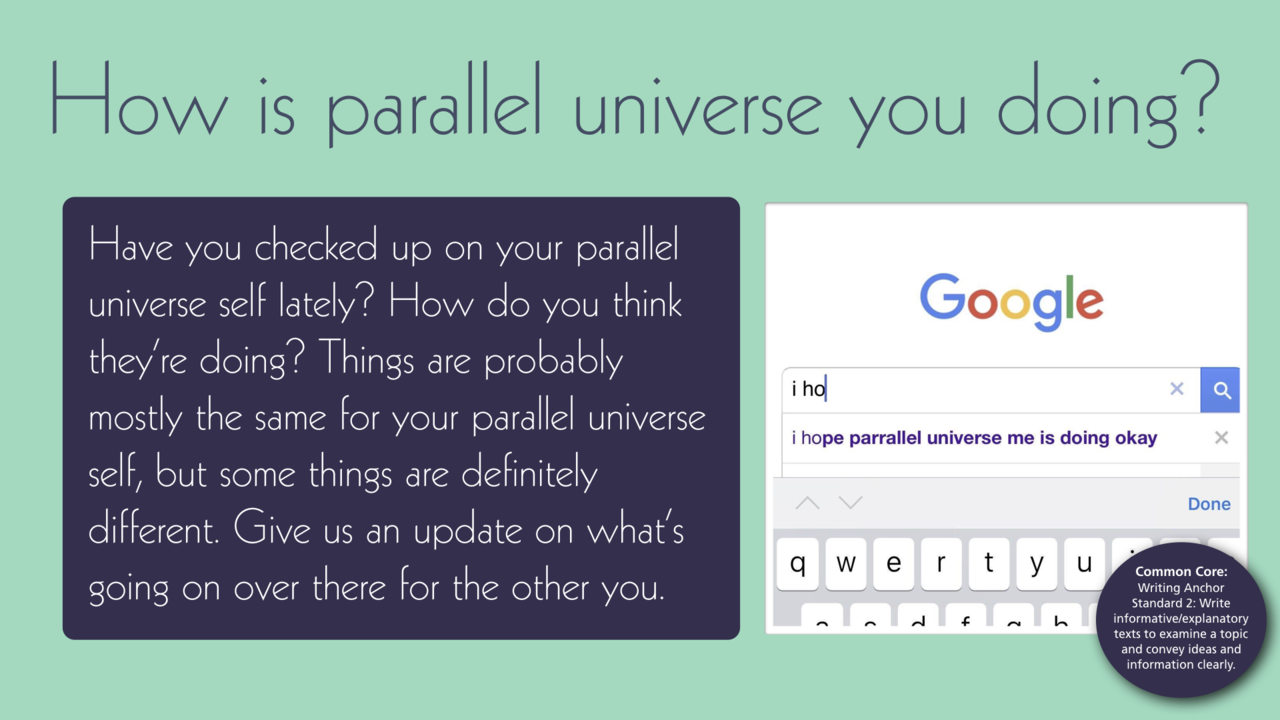
#837 — checking in with parallel universe you
Vocabulary: 

Word: Hyperbole
Part of Speech: Noun
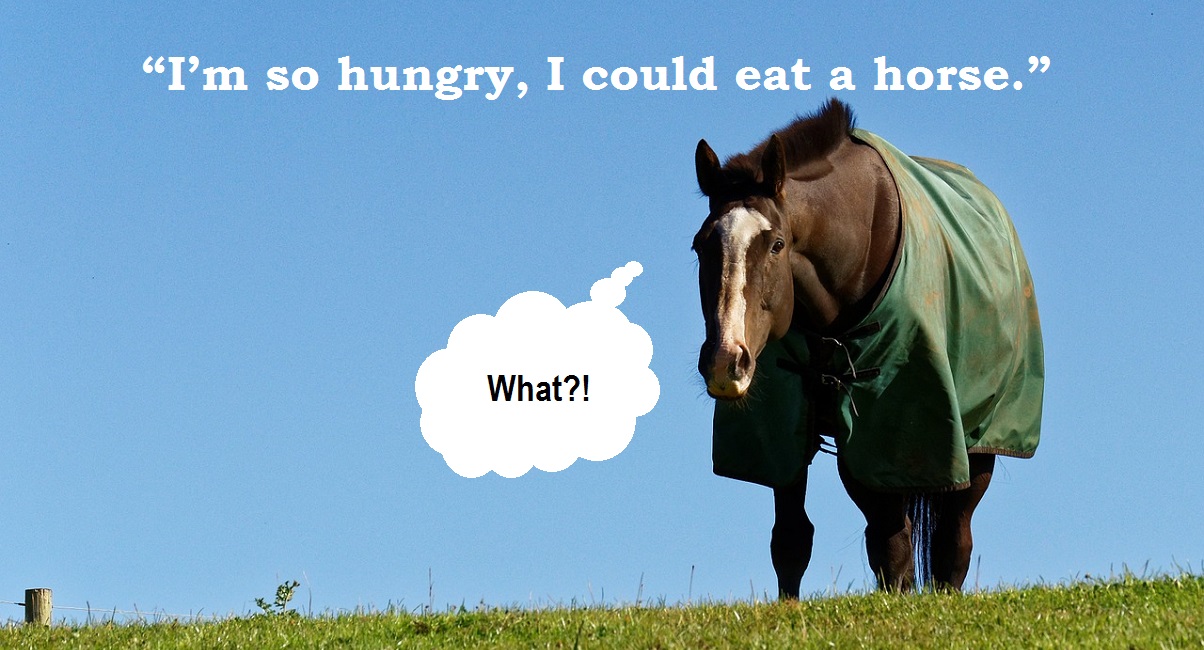
Dictionary Definition: exaggerated statements or claims not meant to be taken literally.
Your Definition: 
Activity: Create your own example of hyperbole. 

Image result for hyperbole

Activity: 

1.  Figurative Language Creation

Find an image that you like.
(This can be from a magazine or online)

Based on that image, create five examples of figurative language using five different types from the list below: 

Metaphor
Simile
Hyperbole
Personification
Idiom
Imagery
Oxymoron
Onomatopoeia 

2.  House on Mango Street 70-83

As a class, we will read through the vignettes.

Discussion Questions
 Nearly all the characters in Cisneros's book dream of escaping. What do they want to leave? Describe the ways in which different people try to escape, as well as the result of their efforts. Do you think that Esperanza's dreams of escaping are likely to be more successful? How does being poor—as most of these characters are—affect one's chances of escaping a dead-end neighborhood or fulfilling other dreams? (randomhouse)

 How does this connect to the Earl of Tennessee?

Why is Esperanza afraid of Sire? What do her parents think of him? Why is she so curious about what he does with Lois, and why does this curiosity make her feel as though "everything is holding its breath inside me" [73]?

What do the trees represent?

Why do you think Mamacita is upset when the baby spoke English?

What is the purpose of the allusion to Rapunzel?

3.  TPEQEA Introduction 


Individually, take Cornell notes on the TPEQEA prezi.
Next week, you will be writing your own.

Closure: 

How confident do you feel creating your own types of figurative language?
Use the self-evaluation rubric. 

Wednesday, August 14, 2019

House on Mango Street 56-69

August 15, 2019

Standards:
CCSS.ELA-LITERACY.RL.9-10.4
Determine the meaning of words and phrases as they are used in the text, including figurative and connotative meanings; analyze the cumulative impact of specific word choices on meaning and tone (e.g., how the language evokes a sense of time and place; how it sets a formal or informal tone).
W.9-10.3 Write narratives to develop real or imagined experiences or events using effective technique, well-chosen details, and well-structured event sequences.

Obj: I can create narratives using figurative language.

Starter: 


Finish filling out the double entry journal from yesterday.
Remember, you need THREE quotes. 

Vocabulary: 

Word: Hyperbole
Part of Speech: Noun
Dictionary Definition: exaggerated statements or claims not meant to be taken literally.
Your Definition: 
Activity: Create your own example of hyperbole. 

Image result for hyperbole

Activity: 

1.  Chalk Talk

With your group, select one of your three quotes you would like to discuss as a class.
Write the quote on a sheet of paper, leaving room for people to respond.
Once everyone has posted their quote, rotate around the room reacting to the quote.
Each person should respond individually.
Eventually we will share the responses and explain why the quotes were picked. 

2.  Partner Read 56-69

Discussion Question
How does your environment/community impact your identity?

3.  Figurative Language Creation

Find an image that you like.
(This can be from a magazine or online)

Based on that image, create five examples of figurative language using five different types from the list below: 

Metaphor
Simile
Hyperbole
Personification
Idiom
Imagery
Oxymoron
Onomatopoeia 

Closure: 

On a sticky note. Answer the two questions: 
1.  How confident do you feel writing and organizing paragraphs?
2.  Have you used TPEQEA before?

Place the sticky note on the front board underneath your section. 

Tuesday, August 13, 2019

House on Mango Street 43-55

August 14, 2019

Standards:
CCSS.ELA-LITERACY.RL.9-10.4
Determine the meaning of words and phrases as they are used in the text, including figurative and connotative meanings; analyze the cumulative impact of specific word choices on meaning and tone (e.g., how the language evokes a sense of time and place; how it sets a formal or informal tone).
W.9-10.3 Write narratives to develop real or imagined experiences or events using effective technique, well-chosen details, and well-structured event sequences.

Obj: I can create narratives using figurative language.

Starter: 


Identify as many examples of figurative language as possible. 

Image result for owl city fireflies

Vocabulary: 

Word: Personification
Part of Speech: Noun
Dictionary Definition: 
  1. the attribution of a personal nature or human characteristics to something nonhuman, or the representation of an abstract quality in human form.
Your Definition: 
Activity: Create your own example of personification. 

Image result for figurative language

Activity: 

1.  Foldable 

You will create a foldable with four examples of figurative language.
These should come from pages 31-42.
You must explain each example. 
You cannot repeat the type of example.

Choices
Simile
Metaphor
Personification
Hyperbole
Symbolism
Imagery 
Oxymoron
Onomatopoeia
Idiom 

2.  House on Mango Street 43-55
With a partner, read through each vignette.


Make a copy of the document above and move it to your assignment folder. 
Identify at least three quotes and react to them.
The quotes may include figurative language, examples of connotation, or connect to the big idea of home and community. 

We will use these quotes to discuss the reading in a chalk talk. 

Closure: 

On a sticky note. Answer the two questions: 
1.  How confident do you feel writing and organizing paragraphs?
2.  Have you used TPEQEA before?

Place the sticky note on the front board underneath your section. 

Monday, August 12, 2019

House on Mango Street 31-42

August 13, 2019

Standards:
CCSS.ELA-LITERACY.RL.9-10.4
Determine the meaning of words and phrases as they are used in the text, including figurative and connotative meanings; analyze the cumulative impact of specific word choices on meaning and tone (e.g., how the language evokes a sense of time and place; how it sets a formal or informal tone).
W.9-10.3 Write narratives to develop real or imagined experiences or events using effective technique, well-chosen details, and well-structured event sequences.

Obj: I can create narratives using figurative language.

Starter: 


Image result for house on mango street writing prompt

Respond to the prompt above and include two examples of your own figurative language. 


Vocabulary: 

Word: Metaphor
Part of Speech: Noun
Dictionary Definition: a figure of speech in which a word or phrase is applied to an object or action to which it is not literally applicable.
Your Definition: 
Activity: Create your own example of a metaphor. 

Image result for figurative language

Activity: 

1.  House on Mango Street 31-42

With a partner, read through the next set of vignettes, continuing to identify examples of figurative language.

At the end of each vignette, create a  makes me wonder question.

“AND IT MAKES ME WONDER” QUESTION: Anything you want so long as it’s interesting. Not plot-based boring stuff, but something cool and relevant. 
 Example: After reading A Tale of Two Cities-I found myself uncomfortably comfortable with Madam Defarge’s need for revenge. I know it hurt the Darnay’s and that it was unjust, but I understood why she did it and can totally understand why she does what she does. Did you guys ever find yourselves feeling sympathetic for a character or cause within the novel that you feel like you shouldn’t have?

You should have four total.
We will use these questions to discuss this section.. 


2.  Foldable 

You will create a foldable with four examples of figurative language.
You must explain each example. 
You cannot repeat the type of example.

Choices
Simile
Metaphor
Personification
Hyperbole
Symbolism
Imagery 
Oxymoron
Onomatopoeia
Idiom 


Closure: 

Answer one of your questions that was not addressed during the class conversation.